Exhibition
Avant-Garde—Graphic Design on the Rise
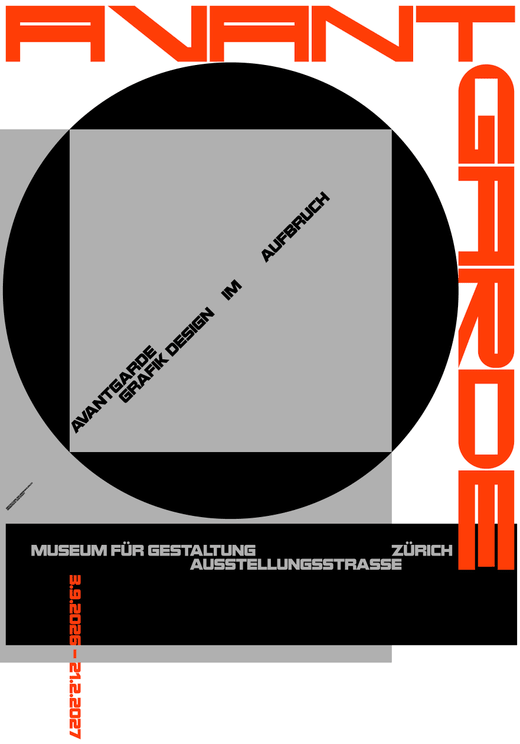
Between the World Wars, graphic design underwent a radical transformation. Constructivism, the New Typography, and photography defined the visual language of the avant-garde. Their works—such as those by El Lissitzky and Jan Tschichold—continue to inspire to this day.
- date
- address
- Ausstellungsstrasse 608005 Zurichopen Google MapsExternal link
- admission
- regular CHF 15
- reduced CHF 10
- free for everyone every Thursday from 5pm
- free under 20 years
About the exhibition
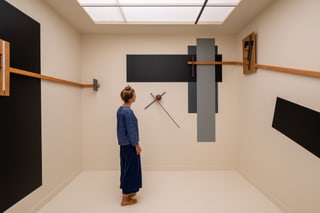
Avant-garde applied art in the interwar period was dominated by graphic design, photography, and typography. Progressive art movements left an indelible mark on the emerging modern mass media. Graphic design became a mirror of sociopolitical utopias and formal innovation. This called for new ways of seeing!
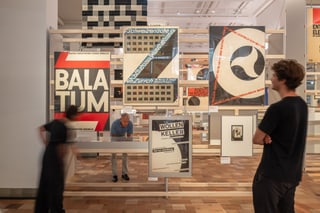
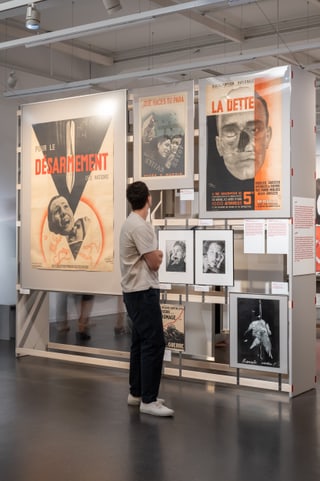
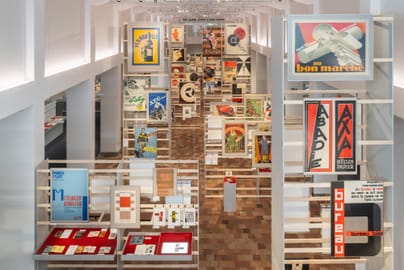
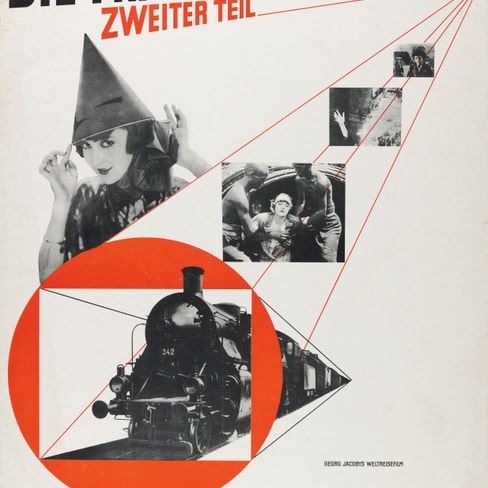
Around one hundred years later, the exhibition looks back on this phase of new beginnings. Posters by the Russian Constructivists El Lissitzky and Valentina Kulagina are shown alongside Art Deco works by Adolphe Mouron Cassandre. Jan Tschichold’s clean typography meets up with photographic experiments by Lucia Moholy and Binia Bill. They all share a new, rational approach to design that supplanted the subjective artistic styles and painterly narratives of former times with a reduced use of color and form.
In addition to many posters, collages, and magazines, the exhibition also shows parallel modernization trends in architecture, product design, theater, and film. The spirit of this short but intense era comes to life—a spirit that would continue to reverberate after the Second World War and which still inspires graphic design today.
Supported by

Impressions
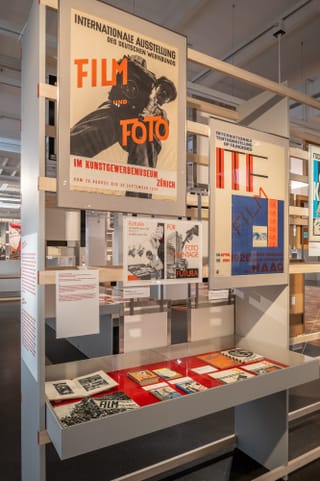
«L’esposizione mette in dialogo protagonisti come El Lissitzky, Valentina Kulagina, Jan Tschichold, Lucia Moholy, Binia Bill e Adolphe Mouron Cassandre, mostrando come linguaggi apparentemente differenti convergano verso una comune aspirazione: costruire un nuovo modo di vedere.»
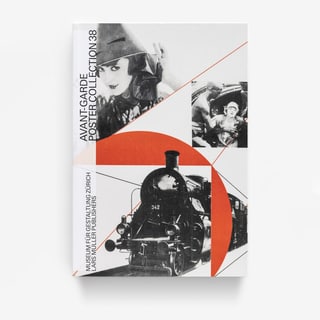
Available for the exhibition
Events
Imprint
All contributors to the exhibition:
Educational programs
The museum offers a diverse program for adults and young people, children and families, schools, groups, as well as accessible and inclusive offerings.
Digital guide
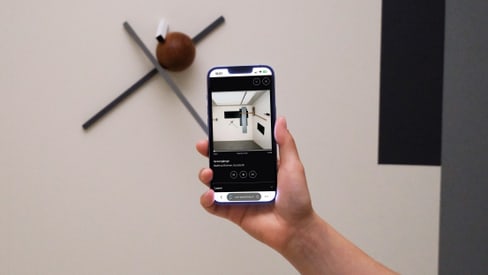
Explore the exhibition on a short guided tour with the curatorial team.
